Who is Affected by Intimate Partner Violence?
Who is Affected by Intimate Partner Violence?
2:12Module 1 Overview
Recognizing Intimate Partner Violence
Whether you are taking this course as part of a professional development plan or because you are seeking to be more informed about intimate partner violence, this course has been organized to help you understand the prevalence of intimate partner violence, its components, and how you can be a helpful ally to survivors.
In this first module, you explore the faces of intimate partner violence, types and categories of abuse, and the foundations of power and control on which it is based.
By the end of this module, you will be able to:
- Define intimate partner violence
- Recognize ways a person who causes harm establishes power and control in their relationship
- Identify different categories of relationship violence
The Prevalence of IPV
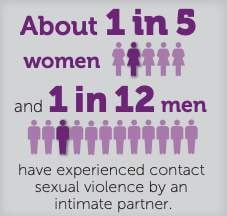
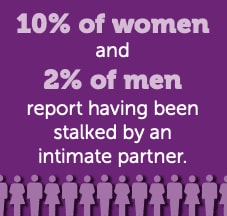
How Common is Intimate Partner Violence?
Intimate partner violence is far more common than many people realize. Understanding the scope of this issue is essential for recognizing its impact across communities.
According to the CDC's National Intimate Partner and Sexual Violence Survey:
- About 1 in 4 women and nearly 1 in 10 men have experienced contact sexual violence, physical violence, and/or stalking by an intimate partner during their lifetime and reported some form of IPV-related impact
- Data from U.S. crime reports suggest that 16% (about 1 in 6) of homicide victims are killed by an intimate partner
- About 11 million women and 5 million men who reported experiencing contact sexual violence, physical violence, or stalking by an intimate partner in their lifetime said that they first experienced these forms of violence before the age of 18
These statistics reveal that IPV is a widespread public health issue affecting millions of individuals. The data also shows that IPV often begins early in life, highlighting the importance of prevention and early intervention.
Breaking Down Stereotypes
Myths About Survivors
Sometimes people have a very specific image in their mind of what a survivor of intimate partner violence looks like. There are harmful stereotypes that survivors are:
- Poor, uneducated, and totally reliant on the person causing harm
- Meek and don't stand up for themselves
- Have low self-esteem
- Disheveled, nervous, and jumpy
- Put up with or excuse abusive behavior
- Have traditional beliefs about gender roles
Why These Stereotypes Are Harmful:
Making these generalizations reinforces the idea that only certain types of people are affected by intimate partner violence. It is important to emphasize, however, that intimate partner violence occurs in every demographic regardless of age, race, gender, sexuality, and socioeconomic class.
Assuming that intimate partner violence only happens in certain communities can make it easy to overlook signs and symptoms that someone we know is experiencing abuse in their relationship.
The Reality:
IPV can happen to anyone:
- Across all income levels
- In all racial and ethnic communities
- Regardless of education level
- In all types of relationships
- Regardless of gender identity or sexual orientation
- In all religious and cultural backgrounds
As professionals like Dr. Patel conducting health screenings or Aisha monitoring workplace dynamics, recognizing that IPV crosses all boundaries is essential for trauma-informed practice.
🎯 Interactive Activity: Abuse Type Categorization
Drag each behavior into the correct abuse category.
Behaviors to Categorize:
Quiz
Question 1 of 3
IPV Prevalence
According to the CDC's National Intimate Partner and Sexual Violence Survey, approximately how many women experience contact sexual violence, physical violence, and/or stalking by an intimate partner during their lifetime?